




Designing for the Australian Climate: The Passive Design Principles We Actually Build With
In Australia, the climate shapes how we live and how we build. From scorching summers to cool winter nights, our homes need to adapt naturally and perform effortlessly.
At TASS, we believe thoughtful passive design principles are key to creating homes that feel good year-round, comfortable by design, not by default, with less reliance on artificial heating and cooling
Here are a few elements worth considering when building with passive principles in mind.
Orientation: Letting the Sun Work for You
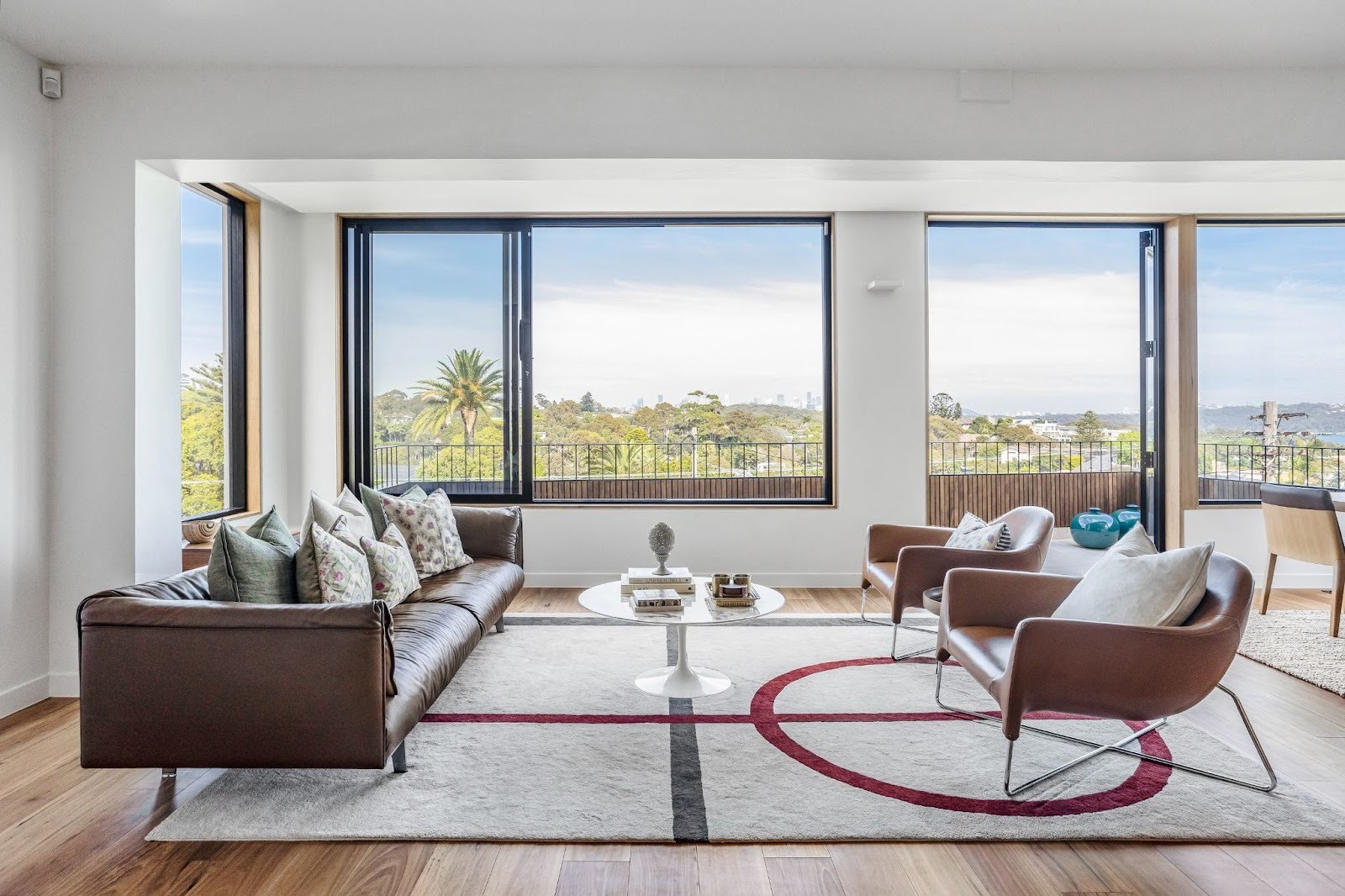
High performance home design starts with how your home sits on the block. By positioning living spaces to capture gentle winter sun and shield against harsh summer rays, we make the sun an ally, rather than an obstacle.
Large north facing windows, well-placed openings and balanced glazing work together to keep interiors warm in winter and shaded in summer, reducing energy use and improving everyday comfort.
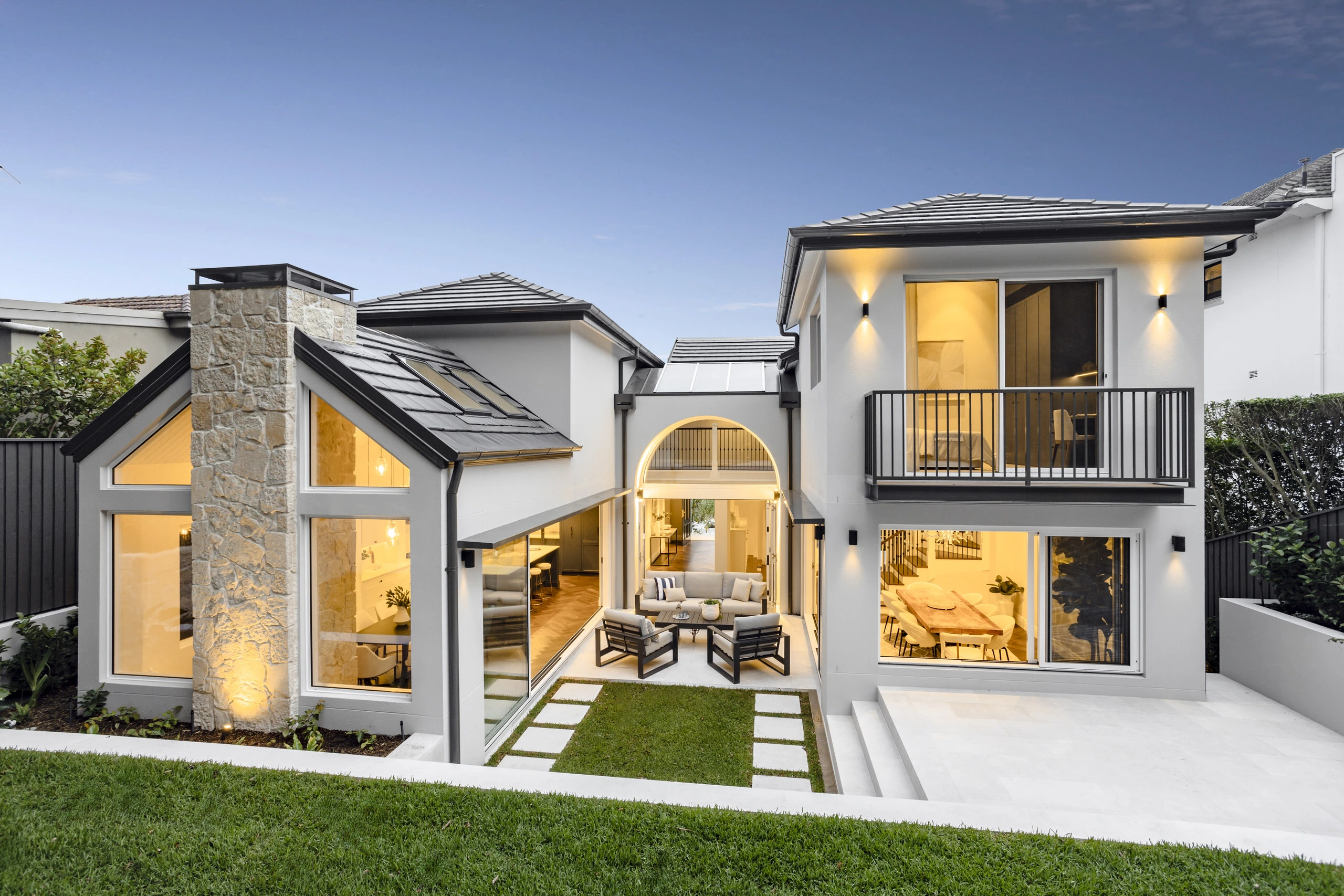
In our Mosman project, the layout and window design were carefully considered around coastal breezes and sunlight patterns,showing that performance and beauty are far from mutually exclusive.
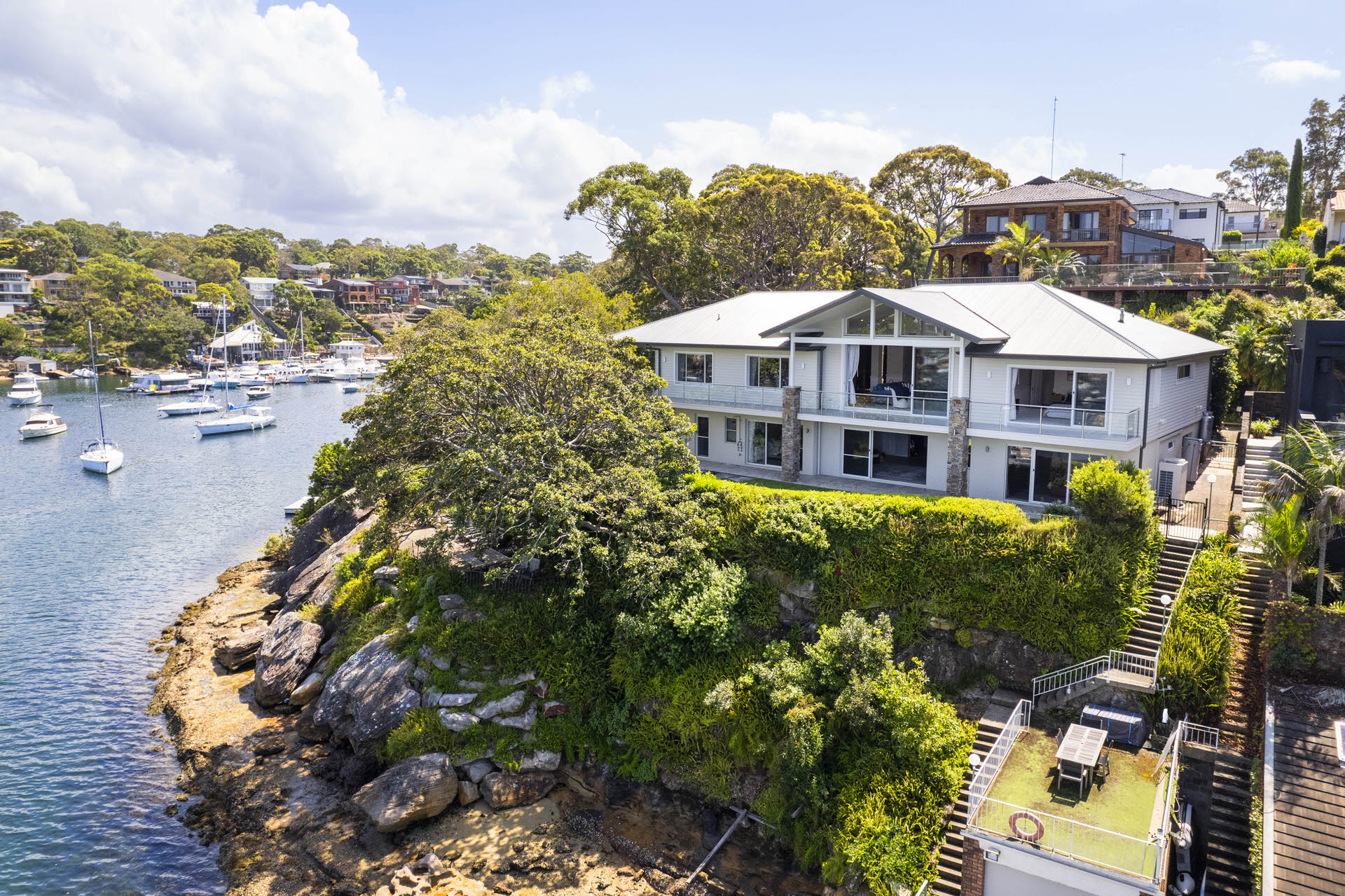
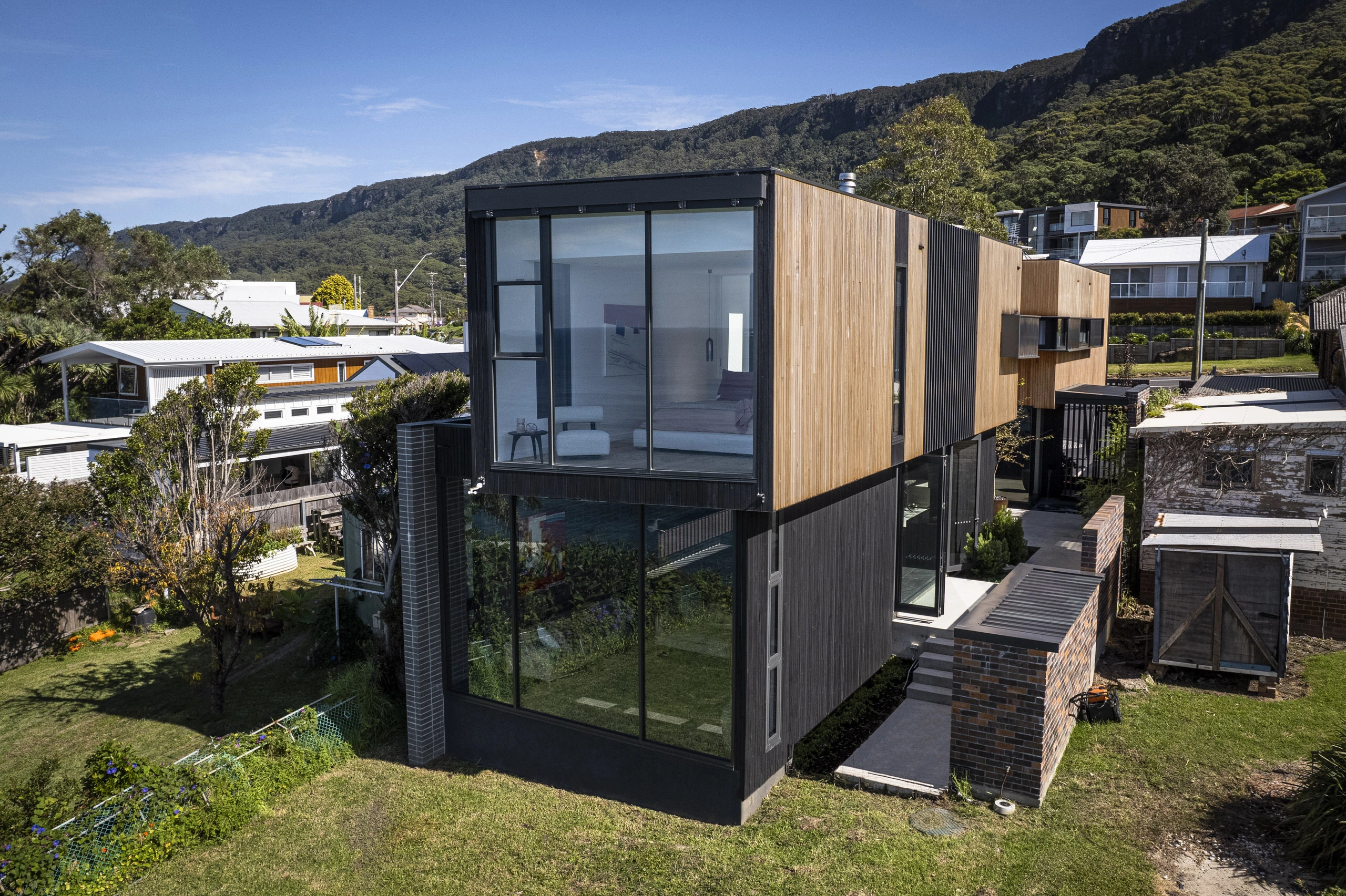
Our Gymea Bay residence takes a similar approach, using orientation to connect living areas with light filled garden courtyards while maintaining privacy and managing heat gain.
Thermal Mass: Storing Natural Warmth
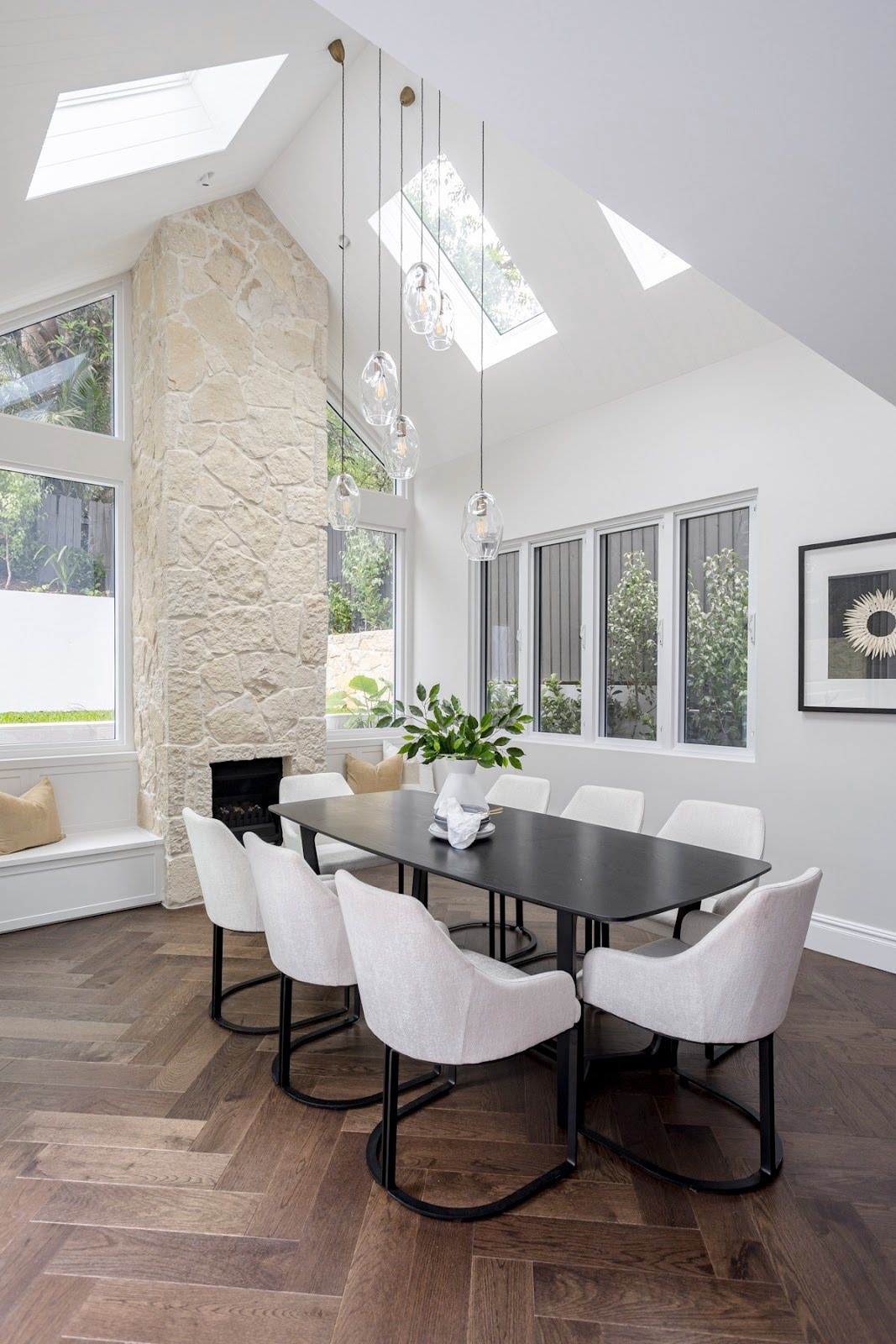
Materials matter. We often design with high thermal mass elements like concrete floors and brick walls to absorb heat during the day and release it slowly at night, keeping temperatures stable and reducing the need for constant heating or cooling.
Combined with proper insulation and strategic shading, this quiet science makes a TASS home comfortable in every season.
In our Vaucluse residence, robust masonry and carefully insulated walls work in harmony with solar orientation to maintain an even internal temperature year round, regardless of what the weather brings.
Natural Ventilation: Breezes, Not Bills
Cross ventilation is another pillar of passive design principles. By aligning windows and doors to harness prevailing winds, we encourage cool breezes to flow through your home naturally.
No blasting air conditioning, just fresh air, gently moving from room to room. It is sustainable, cost effective, and simply feels better to live in.
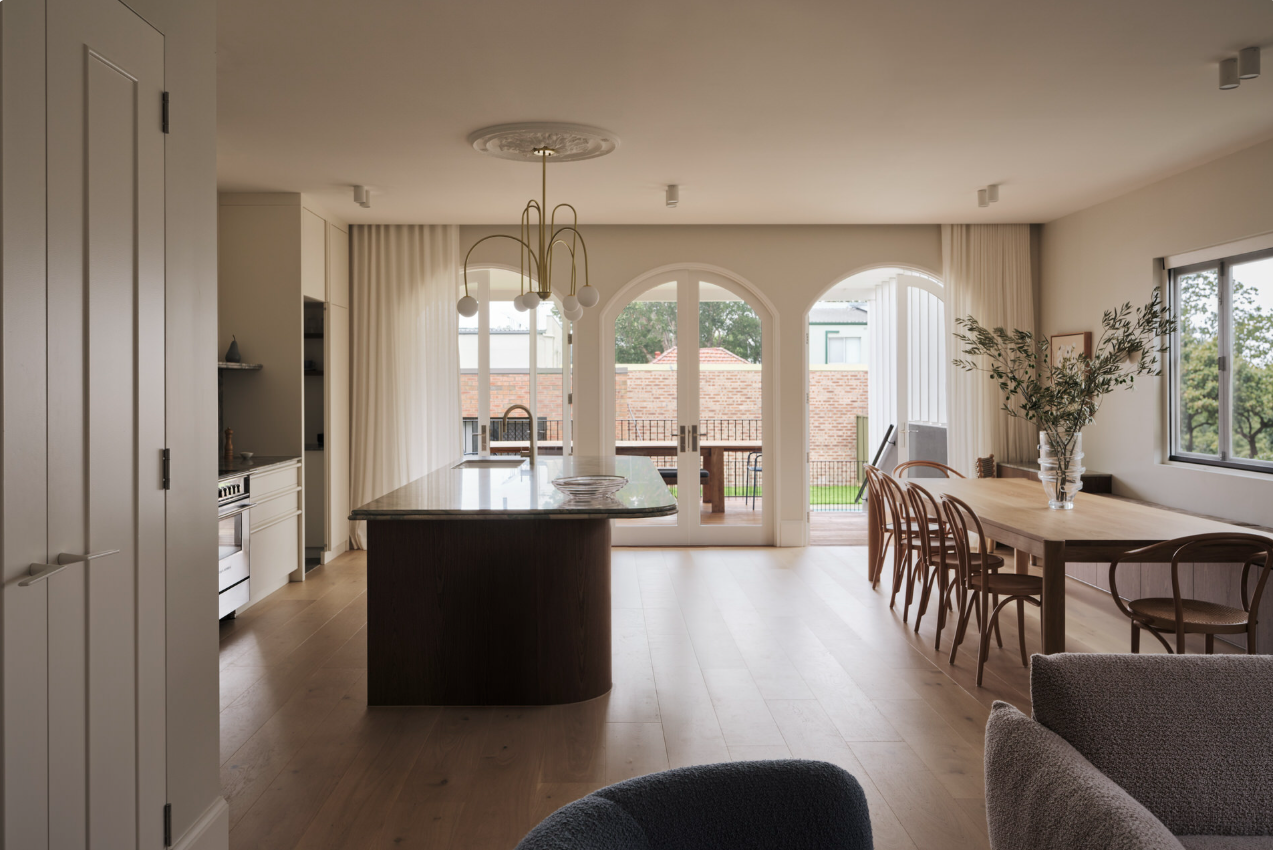
In our Petersham residence, full-height glazed doors and operable windows have been carefully positioned to create a clear path for airflow through the open-plan living, dining, and kitchen spaces. As these openings connect directly to the outdoor areas, they allow fresh air to move freely through the home, supporting a comfortable internal environment while while blurring the boundary between inside and out.
Shading and Landscaping: Nature’s Shield
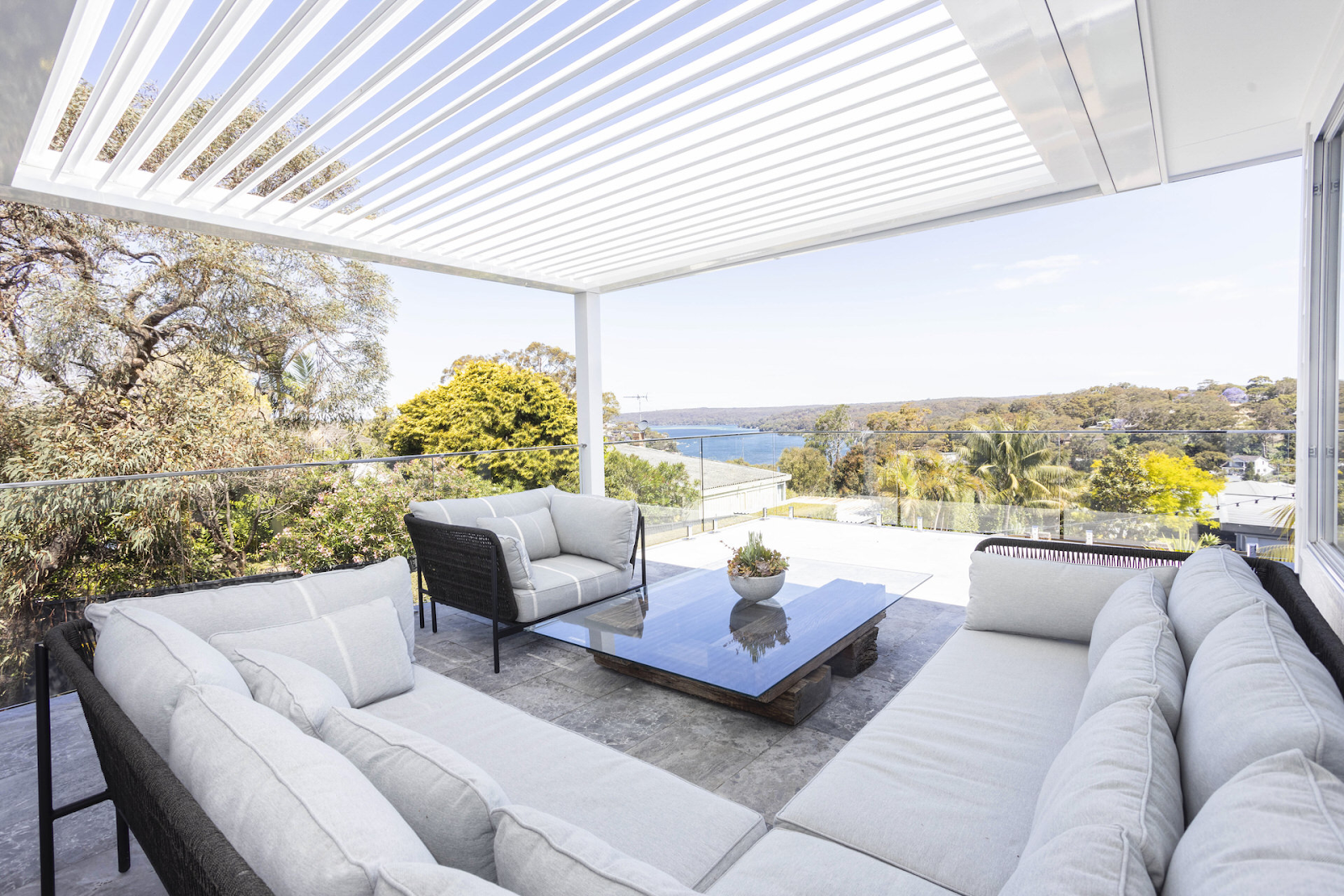
Smart shading solutions like wide eaves, pergolas and planted courtyards keep the harshest sun off your windows and walls before it can overheat your home.
Combined with thoughtful landscaping, these climate responsive elements work year round, providing comfort while adding beauty and softness to the exterior.
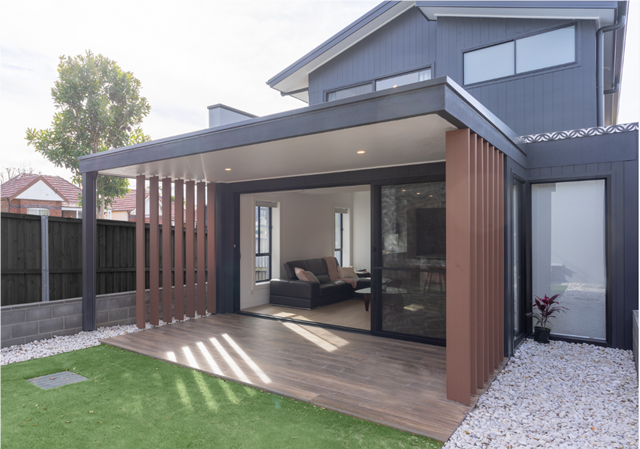
Our Marrickville residence shows this beautifully, with a deep overhead structure and timber battens that filter afternoon light while maintaining a seamless connection between the shaded outdoor living area and the interior beyond.
Luxury and Performance, Together
At TASS, sustainability and beauty are never in conflict. Every detail, from material choices to facade design, is considered with equal weight given to comfort, style and efficiency.
The result is a home that is comfortable, resilient and luxurious. Built to perform, and built to last.
Curious about how passive design can elevate your build? Explore our portfolio or talk to our team about today!